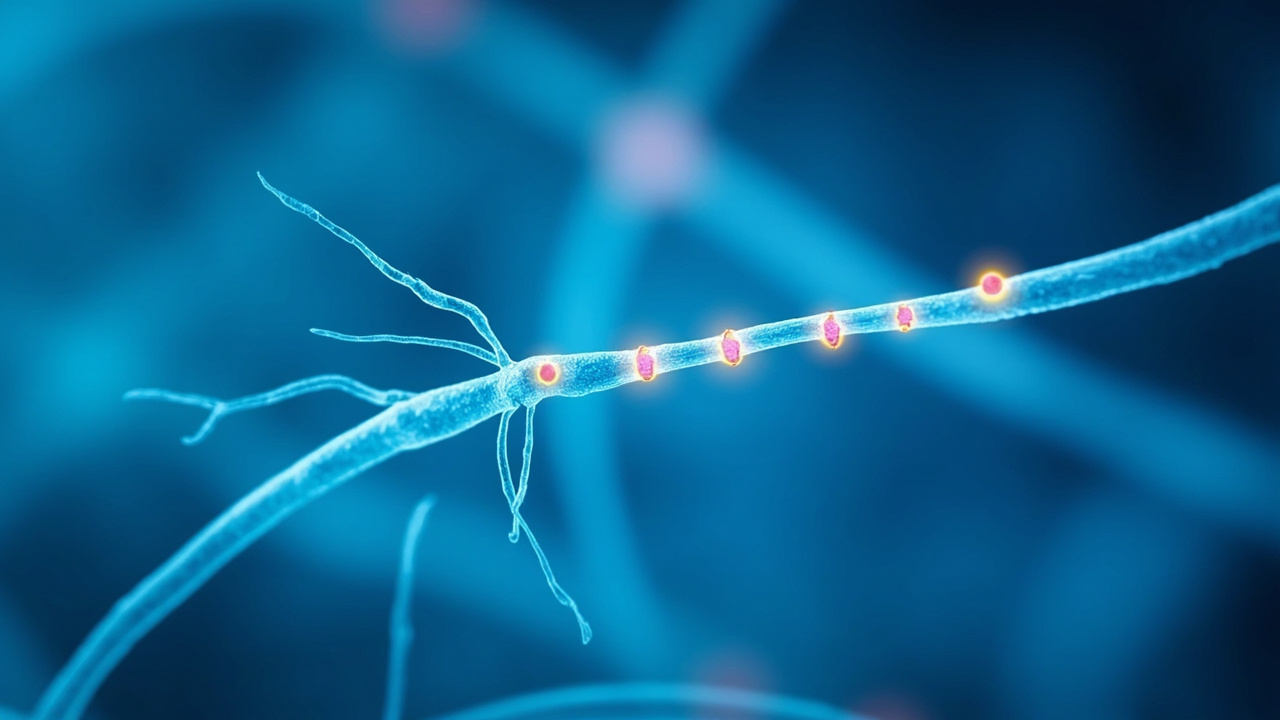
TL;DR: Two doses of psilocybin given before chemotherapy prevented nerve injury and pain sensitivity in mice without weakening chemotherapy's effect on tumors.
A preventive result reported September 3, 2026
On September 3, 2026, researchers at The University of Texas MD Anderson Cancer Center reported that psilocybin given before chemotherapy prevented the onset of nerve injury in preclinical models, according to UT MD Anderson in "Psilocybin prevents chemotherapy-related nerve injury and associated symptoms in preclinical models."
The study was published in Science and was co-led by Moran Amit, M.D., Ph.D., assistant professor of Head and Neck Surgery, and Patrick Dougherty, Ph.D., professor of Pain Medicine, according to UT MD Anderson.
The work used several preclinical models to examine the effects of psilocybin on nerves and to evaluate whether it could prevent peripheral neuropathy after chemotherapy, according to UT MD Anderson.
The researchers found that as few as two doses of psilocybin given before chemotherapy prevented hypersensitivity to cold, protected sensory nerve endings and preserved touch sensation while also maintaining chemotherapy's antitumor activity, according to UT MD Anderson.
Protection was maintained across repeated treatment cycles, according to UT MD Anderson. The researchers discovered that protection persisted even after repeated treatment cycles.
The central conclusion was that psilocybin acted before damage became established, rather than treating symptoms after they became persistent, according to UT MD Anderson.
Why chemotherapy-induced peripheral neuropathy matters
Chemotherapy-induced peripheral neuropathy, also called CIPN, is a common, disabling, and often irreversible complication of cancer treatment affecting many patients receiving platinum- or taxane-based regimens, according to Science in "Psilocybin prevents chemotherapy-induced peripheral neuropathy through mitochondrial trafficking preservation."
Patients experience pain, cold sensitivity, numbness, and impaired touch sensation that can persist for years, frequently forcing dose reductions or discontinuation of otherwise life-saving therapy, according to Science.
Chemotherapy is a common treatment that is beneficial for many cancer types, but it can also damage normal cells, including nerves, according to UT MD Anderson.
This peripheral neuropathy, or nerve injury, can result in many of the side effects associated with chemotherapy, such as pain, increased sensitivity to cold, numbness and loss of sensation, all of which can persist beyond treatment, according to UT MD Anderson.
Some patients may also experience changes that impact their balance or ability to continue life-saving treatments, significantly impacting their quality of life, according to UT MD Anderson.
Established nerve injury often is irreversible, and existing treatments offer limited benefits, according to UT MD Anderson.
Chemotherapy works by targeting fast-growing cancer cells, but often also hits healthy cells in the body, according to Science in "Magic mushroom compound may prevent chemotherapy pain."
Platinum-based drugs such as cisplatin and other widely used therapies can damage peripheral nerves, causing tingling, burning, or numbness, especially in the hands and feet, according to Science in "Magic mushroom compound may prevent chemotherapy pain."
There are no approved treatments for these side effects, according to Science in "Magic mushroom compound may prevent chemotherapy pain." Doctors sometimes prescribe duloxetine, a drug approved for depression and other disorders, but research suggests it fails to alleviate chemo pain in many people, according to Science in "Magic mushroom compound may prevent chemotherapy pain."
A related Perspective described chemotherapy-induced peripheral neuropathy as a painful condition with no known remedy and as a major cause of treatment discontinuation, according to Science in "Psilocybin prevents chemotherapy-induced peripheral neuropathy through mitochondrial trafficking preservation."
The condition arises from injury to sensory nerves, mitochondrial dysfunction, loss of nerve endings in the skin, and maladaptive changes in central pain-processing circuits, according to Science.
Despite its enormous clinical burden, no proven preventive strategy exists, according to Science.
What two doses did in mice
In mouse models, just two doses of psilocybin given before chemotherapy prevented the development of pain hypersensitivity caused by neurotoxic chemotherapies, with protection maintained across up to six consecutive chemotherapy cycles and over the course of 8 months of follow-up, according to Science.
The team found mice given chemotherapy showed peripheral nerve damage and were hypersensitive to pain for at least 4 months after treatment, according to Science in "Magic mushroom compound may prevent chemotherapy pain."
Giving mice a dose of psilocybin before chemotherapy shortened that hypersensitivity to about 3 months, according to Science in "Magic mushroom compound may prevent chemotherapy pain."
Two doses given 1 week apart eliminated it altogether, according to Science in "Magic mushroom compound may prevent chemotherapy pain."
The researchers used several preclinical models to examine the effects of psilocybin on nerves, according to UT MD Anderson.
Psilocybin given before chemotherapy prevented treatment-induced peripheral neuropathy across several preclinical models, according to UT MD Anderson.
Importantly, psilocybin didn't influence tumor growth or chemotherapy's effectiveness in cancerous mice, according to Science in "Magic mushroom compound may prevent chemotherapy pain."
Psilocybin also protected tumor-bearing mice without reducing tumor growth or altering immune cytokine levels, according to Science.
These results were consistent even when models were given repeated chemotherapy cycles with cisplatin, paclitaxel and docetaxel, according to UT MD Anderson.
Although most of the team's experiments used cisplatin, tests with other, nonplatinum chemotherapy drugs produced similar findings, suggesting psilocybin's benefits aren't limited by the type of cancer treatment, according to Science in "Magic mushroom compound may prevent chemotherapy pain."
A different strategy: protect before damage
Psilocybin is a naturally occurring psychedelic compound that currently is under investigation for neuropsychiatric and neurological disorders, according to UT MD Anderson.
Psilocybin is a naturally occurring compound found in certain mushroom species that activates serotonin 2A receptors, according to Science.
These receptors have been linked to neuronal plasticity and mitochondrial regulation, which indicates that psilocybin could protect the sensory nervous system from chemotherapy-induced injury, according to Science.
Because nerve damage, once established, is often irreversible, prevention is more tractable than treatment, according to Science.
The researchers therefore asked whether psilocybin administered before chemotherapy could prevent neuropathy from ever developing and used a combination of mouse behavioral models, electrophysiology, live-cell imaging, molecular profiling, and human tissue analysis to define the underlying mechanisms, according to Science.
Evidence for psilocybin's effectiveness as a painkiller is mixed, according to Science in "Magic mushroom compound may prevent chemotherapy pain."
Researchers at the MD Anderson Cancer Center wondered whether giving the drug in advance, rather than after nerve damage has occurred, might be more fruitful, according to Science in "Magic mushroom compound may prevent chemotherapy pain."
Study co-author Patrick Dougherty, a pain researcher at MD Anderson, described the logic this way: "The idea, instead of trying to put things back together that are broken, is to jump in and protect it from the very beginning," according to Science in "Magic mushroom compound may prevent chemotherapy pain."
Moran Amit said, "There is an urgent need for treatments that prevent nerve injury without interfering with lifesaving chemotherapy," according to UT MD Anderson.
Amit added, "These findings offer important insights into how psilocybin may protect nerves before damage occurs, rather than treating symptoms after they become persistent," according to UT MD Anderson.
Psilocybin can temporarily allow the brain to reorganize itself and form new neuron branches that could help avoid nerve injury, according to UT MD Anderson.
The study uncovers a previously unrecognized neuroprotective role of serotonin receptors and suggests psilocybin as a first-in-class intervention for the prevention of chemotherapy-induced peripheral neuropathy, according to UT MD Anderson.
How protection worked in nerves
The researchers discovered that psilocybin directly affects the peripheral nervous system through serotonin 5-HT2A receptors, according to UT MD Anderson.
Using highly selective pharmacological tools, the team showed that serotonin 2A receptor activation is both necessary and sufficient for this neuroprotection and that the effect does not require the hallucinogenic properties of psilocybin, according to Science.
Blocking the 5-HT2A pathway reversed these neuroprotective effects, while using a non-hallucinogenic compound that activates the same receptors produced similar protection to psilocybin, according to UT MD Anderson.
A nonhallucinogenic serotonin 2A agonist conferred equivalent protection, according to Science.
In additional tests, the researchers showed an experimental synthetic, psilocybin-like compound that wouldn't make patients trip replicated some of the protective effects of psilocybin in mice, according to Science in "Magic mushroom compound may prevent chemotherapy pain."
Mechanistically, psilocybin acted through two complementary pathways, according to Science. Peripherally, it preserved the structure and energy supply of distal sensory nerve endings, protecting tactile function and maintaining skin nerve fiber density; centrally, it normalized cortical electrical activity disrupted by chemotherapy, according to Science.
The team studied mouse nerve cells in live animals and in a dish, according to Science in "Magic mushroom compound may prevent chemotherapy pain." They found the compound blocked some of the harmful cellular and molecular effects of cisplatin, according to Science in "Magic mushroom compound may prevent chemotherapy pain."
For example, cisplatin disrupts the transport of organelles called mitochondria — the cell's power plants — along neurons, but advance treatment with psilocybin prevented this in mouse cells, according to Science in "Magic mushroom compound may prevent chemotherapy pain."
Researchers found that cisplatin depleted mitochondria — the structures that produce energy inside cells — and reduced their movement inside nerve fibers, according to UT MD Anderson.
Further, psilocybin activated a specific signaling pathway that preserved mitochondrial trafficking after chemotherapy, maintaining adequate energy levels at the nerve endings, according to UT MD Anderson.
Using live imaging of mitochondria in freshly isolated human peripheral nerves from surgical patients and in human stem cell–derived sensory neurons, the researchers found that psilocybin preserved the active transport of mitochondria along axons, the process by which nerve fibers distribute energy to their most distant, vulnerable endings, according to Science.
Chemotherapy halted this transport and depleted energy at distal nerve endings; psilocybin prevented both effects, according to Science.
Molecular studies traced this protection to a signaling cascade, the TrkB-Akt-PAK5-MAP2-KIF5B pathway, that supports mitochondrial transport along sensory axons, according to Science.
Human donor sensory neurons and patient skin biopsies independently confirmed that this serotonin 2A–mitochondrial trafficking network is conserved in human tissue, according to Science.
Further experiments suggested the compound similarly protected human neurons, too, according to Science in "Magic mushroom compound may prevent chemotherapy pain."
Patrick Dougherty said, "Psilocybin does more than reduce pain signals by protecting the nerves, themselves, through energy delivery," according to UT MD Anderson.
Dougherty added that this neuroprotective effect could help patients withstand the stress of chemotherapy, maintaining sensation, mobility and quality of life during treatment and long into survivorship, according to UT MD Anderson.
What outside experts said
If confirmed, the findings could have huge implications, said Alex Kwan, a neuroscientist at Cornell University who was not involved in the work, according to Science in "Magic mushroom compound may prevent chemotherapy pain."
Psilocybin's effects in this study are "quite incredible," though Kwan and other researchers said they'd like to see more data to be convinced of the drug's potential in people, according to Science in "Magic mushroom compound may prevent chemotherapy pain."
The hallucinations and other sensations psilocybin causes may be difficult for some patients to tolerate, Kwan noted, according to Science in "Magic mushroom compound may prevent chemotherapy pain."
Altogether, the multiple findings in this study "open up some new ideas that have not been thought about in this field," Kwan said, according to Science in "Magic mushroom compound may prevent chemotherapy pain."
Some of the team's analyses of these mechanisms remain "preliminary," said Giampietro Schiavo, a cellular neurobiologist at University College London who was not involved in the work, according to Science in "Magic mushroom compound may prevent chemotherapy pain."
Schiavo said it will be important to understand how transport of organelles other than mitochondria are affected, as these could also be relevant to how psilocybin works, according to Science in "Magic mushroom compound may prevent chemotherapy pain."
Nevertheless, Schiavo said, "Finding [treatments for chemo pain] that do not affect the efficiency of the chemotherapy is absolutely crucial," according to Science in "Magic mushroom compound may prevent chemotherapy pain."
Susanna Park, a neuroscientist at the University of Sydney, urged caution in interpreting the team's findings for patients, according to Science in "Magic mushroom compound may prevent chemotherapy pain."
As in many fields, "there has been a large gap between success in preclinical models [of chemotherapy pain] and translation to effective therapies for humans," Park added, according to Science in "Magic mushroom compound may prevent chemotherapy pain."
Park said she'd like to see more data on psilocybin's impact on larger nerve fibers, which are particularly damaged by chemotherapy, to confirm a truly neuroprotective effect, according to Science in "Magic mushroom compound may prevent chemotherapy pain."
What comes next for patients
These preclinical findings are the basis for an upcoming Phase 2 clinical trial, NeuroGuard, NCT07227909, evaluating psilocybin during chemotherapy in patients with multiple cancer types to determine whether the mechanisms observed in this trial translate to clinically meaningful reductions in peripheral neuropathy, according to UT MD Anderson.
MD Anderson plans to launch a phase 2 trial next month to evaluate psilocybin in about 80 patients receiving chemotherapy for breast, colorectal, or head and neck cancer, according to Science in "Magic mushroom compound may prevent chemotherapy pain."
MD Anderson surgeon-scientist and study co-author Moran Amit said he expects the trial to fill up fast, according to Science in "Magic mushroom compound may prevent chemotherapy pain."
But it will be years before the team has collected sufficient data on the drug's long-term safety and efficacy, according to Science in "Magic mushroom compound may prevent chemotherapy pain."
Other ongoing trials, led by Amit, currently are examining the effects of psilocybin-assisted psychotherapy for patients with anxiety and/or depression, according to UT MD Anderson.
These studies are part of UT MD Anderson's Cancer Neuroscience Program, a comprehensive initiative that examines the interactions between cancer and the nervous system, taking a multidisciplinary approach to enhance patient quality of life, according to UT MD Anderson.
Amit said, "At UT MD Anderson, we are actively exploring the multiple facets of psychedelics to pursue interventions that improve the lives of our patients," according to UT MD Anderson.
Psilocybin found in various "magic" mushroom species has received increasing attention in recent years as a possible pain medication, as well as a treatment for psychiatric disorders, according to Science in "Magic mushroom compound may prevent chemotherapy pain."
The human body breaks it down into a compound called psilocin, which interacts with receptors for the neurotransmitter serotonin, altering brain activity and contributing to hallucinations and other reactions, according to Science in "Magic mushroom compound may prevent chemotherapy pain."
The Science editors summarized that psychedelics might offer an effective therapeutic approach for preventing CIPN, according to Science.
Sources referenced
- Psilocybin prevents chemotherapy-related nerve injury and associated symptoms in preclinical models | UT MD Anderson (https://www.mdanderson.org/newsroom/research-newsroom/psilocybin-prevents-chemotherapy-related-nerve-injury-and-associated-symptoms-in-preclinical-models.h00-159858501.html)
- Magic mushroom compound may prevent chemotherapy pain | Science | AAAS (https://www.science.org/content/article/magic-mushroom-compound-may-prevent-chemotherapy-pain)