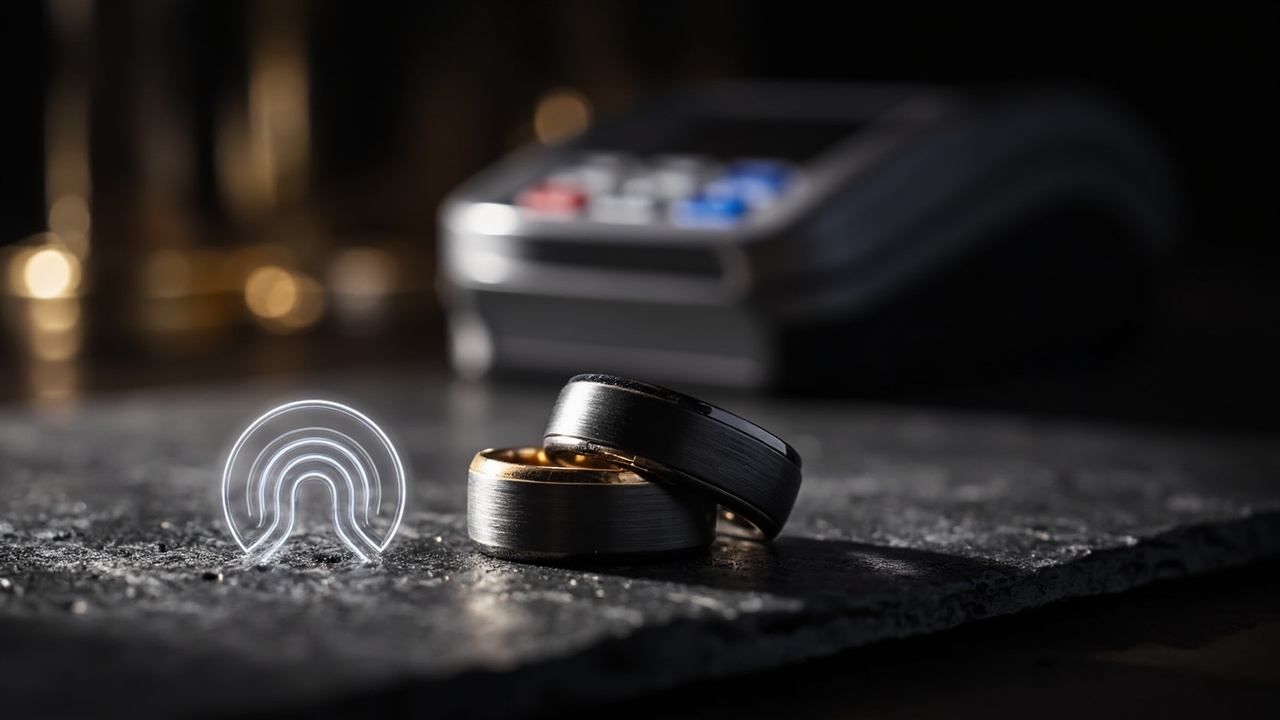
TL;DR: Circular announced its Ring 3 Pro and Ring 3 Slim on September 3, 2026, adding an integrated NFC chip for contactless payments and on-finger vibrating alerts to both models.
Circular introduces two Ring 3 models
Circular announced its new Ring 3 Series on September 3, 2026, as a follow-up to the Ring 2 that debuted at CES 2025, according to The Verge's report titled "Circular’s new smart rings add contactless payments and vibrating alerts."
The announcement described two distinct models: a Pro model and a smaller Slim option, according to that same reporting from The Verge.
TechCrunch, in its report titled "Circular unveils Ring 3 series with contactless payments and on-finger vibration alerts," similarly described the lineup as a Pro model and a Slim option unveiled on Thursday.
The Thursday timing corresponds to September 3, 2026, the publication date listed by TechCrunch for its 9:42 AM PDT report.
The Verge placed its publication at 4:00 PM UTC on September 3, 2026, with reporting by Andrew Liszewski.
TechCrunch listed Aisha Malik as the author of its September 3, 2026 coverage.
Both outlets identified the products as upcoming rings, with availability expected in early 2027.
Circular said pricing and preorder information for both smart rings will be announced in the coming months, according to TechCrunch.
The Verge likewise reported that pricing had not been announced for either of the new models.
What is new on both rings
Both versions of the new Ring 3 feature vibrating alerts and an integrated NFC chip, according to The Verge.
The integrated NFC chip supports making contactless payments without having to reach for a phone or wallet, according to The Verge.
TechCrunch reported that both of the smart rings will feature an integrated NFC chip for contactless payments.
TechCrunch also reported that both models will feature vibrating alerts for alarms and reminders.
The on-finger vibrations, which are available on both models, can be used for silent wake-up alarms, medication reminders, vital health alerts, and guided breathing exercises, according to TechCrunch.
The Verge described vibrating alerts for alarms, medication reminders, and guided breathing exercises.
The overlap between the two reports is direct on three uses: alarms, medication reminders, and guided breathing exercises.
TechCrunch additionally listed vital health alerts among the vibration uses for both models.
The combination of payments and vibration on both the Pro and Slim models positions those two functions as series-wide changes rather than Pro-only additions.
Ring 3 Pro carries forward AFib detection
The Ring 3 Pro carries forward health-tracking features from the prior generation, according to The Verge.
The Ring 2 that debuted at CES 2025 included upgraded sensors and FDA-cleared atrial fibrillation detection, according to The Verge.
The new Ring 3 collection includes a Pro model that carries forward those same health-tracking features, according to The Verge.
TechCrunch reported that the Ring 3 Pro comes with FDA-cleared ECG for AFib detection.
That FDA-cleared ECG for AFib detection links the Pro model to the atrial fibrillation detection capability associated with the Ring 2 generation.
TechCrunch also listed blood pressure trend tracking for the Ring 3 Pro.
TechCrunch also listed glucose tracking for the Ring 3 Pro.
TechCrunch also listed advanced sleep analysis for the Ring 3 Pro.
TechCrunch described comprehensive biometric monitoring for the Ring 3 Pro.
The Pro model therefore combines the returning AFib-related capability with trend tracking, glucose tracking, sleep analysis, and broader biometric monitoring, according to TechCrunch.
Ring 3 Pro design and battery
The Ring 3 Pro has a slimmer design than its predecessor, according to The Verge.
TechCrunch likewise reported that the Ring 3 Pro features a slimmer design than its predecessor.
The Ring 3 Pro uses titanium on both the inner and outer structures for improved durability, according to The Verge.
TechCrunch described both Ring 3 models as made from titanium steel.
Finishes for the Pro include gold, rose gold, silver, and black, according to The Verge.
TechCrunch reported that, as with the Ring 2, the new smart rings will be available in gold, rose gold, silver, and black.
Battery life for the Pro has been boosted from seven days to up to 12 days, according to The Verge.
TechCrunch reported the same change, describing up to 12 days of battery life, up from seven days on its predecessor.
The Verge noted that the increase to up to 12 days occurred despite the use of a smaller capacity battery.
A wireless charging case can top the Pro off five to six times before an outlet is needed, according to The Verge.
TechCrunch reported that both Ring 3 models support wireless charging.
The wireless charging case capacity described by The Verge provides five to six additional top-offs for the Pro configuration.
Ring 3 Slim is smaller and lighter
The Slim option is thinner and lighter than the Pro model, according to TechCrunch.
The Verge described the Ring 3 Slim band as even slimmer, thinner, and lighter than the Pro model.
The Verge attributed part of that reduction to a smaller battery good for up to 10 days of use.
TechCrunch reported that the Slim features up to 10 days of battery life.
The 10-day figure for the Slim compares with the up to 12-day figure reported for the Pro by both outlets.
The Verge also attributed the Slim size and weight approach to a nonmetallic biocompatible epoxy used on the inside of the ring instead of titanium.
That material choice contrasts with the titanium inner and outer structures described for the Pro by The Verge.
The Verge characterized the Slim as a more discreet and potentially more comfortable alternative.
TechCrunch characterized the Slim option as featuring basic health and wellness tracking in a compact design.
Both descriptions present the Slim as a compact counterpart to the more fully featured Pro.
What Slim tracks and what it omits
The Slim still features the Pro model’s photoplethysmography sensors for measuring heart rate and blood oxygen levels, according to The Verge.
The Verge identified those measurements as heart rate and blood oxygen, with blood oxygen shown as SpO2.
TechCrunch listed heart rate among the Slim tracking areas.
TechCrunch listed SpO2 among the Slim tracking areas.
The Slim is missing the ECG sensor and AFib detection, according to The Verge.
That omission distinguishes the Slim from the Pro, which TechCrunch reported includes FDA-cleared ECG for AFib detection.
Other health-tracking features for the Slim include skin temperature, daily activities, sleep, and heart rate variability, according to The Verge.
TechCrunch listed sleep, heart rate, HRV, SpO2, skin temperature, and daily activity for the Slim.
The two lists align on sleep, heart rate, SpO2, skin temperature, daily activity, and heart rate variability, identified as HRV by both outlets.
Circular CEO Amaury Kosman addressed that segmentation directly, saying that “Many people simply want a beautifully designed, fashionable smart ring,” according to TechCrunch.
The full TechCrunch-quoted statement explained that many people want essential wellness insights and effortless contactless payments in a lighter, more streamlined experience.
The Slim therefore retains the series-wide NFC payments and vibration alerts while offering core health tracking features, according to that CEO statement reported by TechCrunch.
Sizes, water resistance, and finishes
Both of the Ring 3 models are made from titanium steel, according to TechCrunch.
Both models feature 50-metre water resistance, according to TechCrunch.
Both models support wireless charging, according to TechCrunch.
They will be available in sizes 6-14, according to TechCrunch.
As with the Ring 2, the new smart rings will be available in gold, rose gold, silver, and black, according to TechCrunch.
The Verge also listed gold, rose gold, silver, and black as finishes for the Ring 3 Pro.
The size range, water-resistance rating, wireless-charging support, and four finishes therefore apply across the series in TechCrunch’s reporting.
The Verge separately confirmed the wireless charging case approach for the Pro, with five to six top-offs before an outlet is needed.
Competitive context in 2026
The Circular Ring 3 series announcement comes amid heightened competition in the smart ring market, according to TechCrunch.
TechCrunch placed the announcement in a year that followed the launches of the Oura Ring 5 and RingConn Gen 3.
That context identifies two other recent smart ring launches surrounding Circular’s September 3, 2026 unveiling.
The Verge framed the Ring 3 Series as a follow-up to the Ring 2 that debuted at CES 2025.
The predecessor timeline therefore spans from a CES 2025 debut for Ring 2 to a September 3, 2026 announcement for Ring 3.
Battery comparisons also span that generational change, from seven days on the predecessor to up to 12 days for the Ring 3 Pro and up to 10 days for the Slim.
The Slim battery figure reflects a smaller battery, according to The Verge.
The Pro battery figure reflects a smaller capacity battery paired with longer rated life, according to The Verge.
Pricing and availability status
Pricing had not been announced for either of the new models, according to The Verge.
Pricing and preorder information for both smart rings will be announced in the coming months, Circular said, according to TechCrunch.
The rings are expected to become available in early 2027, according to TechCrunch.
Availability is expected in early 2027, according to The Verge.
The expected early 2027 availability applies to both models in the reporting from both outlets.
The coming-months timing for pricing and preorder details comes from Circular’s statement as reported by TechCrunch.
For United States shoppers, the concrete facts known by September 3, 2026 were therefore the two-model lineup, the series-wide payments and vibration features, the Pro health capabilities, the Slim omissions, the battery ratings, the sizes and finishes, and the early 2027 availability expectation.
No price, preorder date, or retailer list had been confirmed in either report.
Why payments and vibration matter
The integrated NFC chip allows contactless payments without reaching for a phone or wallet, according to The Verge.
That function is present on both the Pro and Slim models.
The vibration function supports silent wake-up alarms, according to TechCrunch.
The vibration function supports medication reminders, according to both The Verge and TechCrunch.
The vibration function supports guided breathing exercises, according to both The Verge and TechCrunch.
The vibration function supports vital health alerts, according to TechCrunch.
The Verge separately described vibrating alerts for alarms.
Because both models include the same two convenience features, buyers choosing between Pro and Slim face a decision centered on health sensors, size, materials, and battery life rather than on payments or basic alerts.
The Pro adds FDA-cleared ECG for AFib detection, blood pressure trend tracking, glucose tracking, advanced sleep analysis, and comprehensive biometric monitoring, according to TechCrunch.
The Slim omits the ECG sensor and AFib detection while retaining PPG-based heart rate and SpO2 measurement plus skin temperature, daily activities, sleep, and HRV, according to The Verge.
The Slim offers up to 10 days of use from a smaller battery and uses biocompatible epoxy inside, according to The Verge.
The Pro offers up to 12 days, uses titanium inside and out, and pairs with a wireless charging case rated for five to six top-offs, according to The Verge.
Those distinctions, combined with shared 50-metre water resistance, wireless charging support, sizes 6-14, and four finishes reported by TechCrunch, define the Ring 3 choice announced September 3, 2026.
Sources referenced
- Circular’s new smart rings add contactless payments and vibrating alerts | The Verge (https://www.theverge.com/tech/988517/circular-ring-3-pro-slim-nfc-contactless-payment-vibrating-alerts)
- Circular unveils Ring 3 series with contactless payments and on-finger vibration alerts | TechCrunch (https://techcrunch.com/2026/09/03/circular-unveils-ring-3-series-with-contactless-payments-and-on-finger-vibration-alerts/)